A haircut that once got laughed at is now one of the most requested looks at barbershops everywhere. The mullet haircut men trend proves that fashions are cyclical and that not only have fashions that seemed out of date several decades ago made a comeback, but they are more precise and sophisticated than before. A more brief side, a longer back, and a totally new approach to mixing up have made this cut something that people actively seek, rather than one to avoid.
The difference between the current one and the old one lies in technique and not necessarily the timing of trends. The next-section transition has become the focus of the cut for barbers, and thus the final appearance is calculated instead of casual. This historical drift justifies why men in various age categories, occupations, and hair types continue to adopt this style as opposed to the safer alternatives, which are more predictable.
Table of Contents
About Modern Mullet Haircut
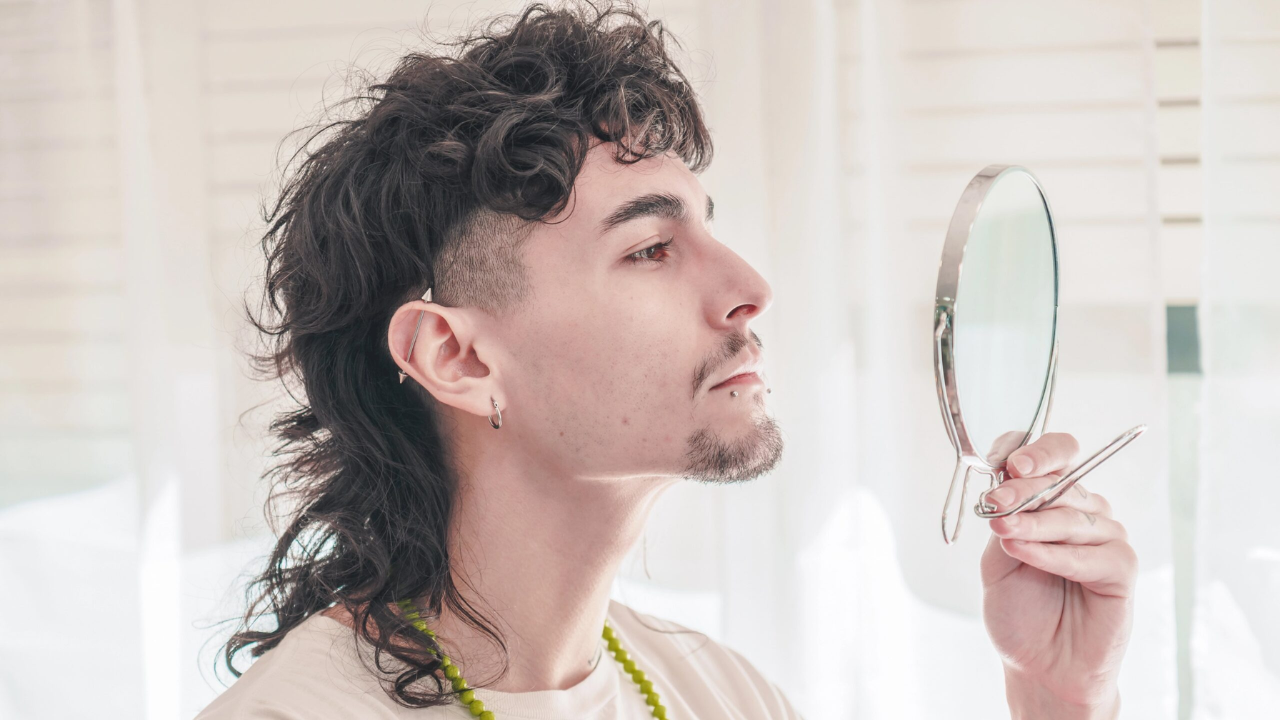
A modern mullet keeps the basic idea of the traditional cut: shorter hair around the sides and front with more length toward the back, but the finish is much more controlled. However, rather than a sharp line between the short and the long, barbers can employ fades, tapers, scissor work, and layers so as to have a cleaner transition.
There can also be a significant variation in the length at the rear. A short mullet can break at the neckline, whereas there is a longer mullet that can go well down the neck. The top may be textured, layered, slicked down, or styled in the natural wavy way, which makes it much easier to style the cut for many different types of hair and personal styles.
Why the Mullet Haircut Men Trend Keeps Coming Back?
This cut survives because it solves a problem most haircuts ignore. Men do like short and manageable sides, but they must have a length likely to be Shaggy Hair Side in the shape of their personality. The mullet haircut men wear provides this and all at the same time, something that a single haircut can hardly achieve.
The other important factor pointed out by barbers is the versatility. Straight, wavy, curly, and coily hair also have a different look after being cut in this manner this way, and thus, none of the individual types of hair is left out. The flexibility maintains the demand constant rather than restricting the trend to a single type of client.
This isn’t the only retro trend making a comeback — see how Y2K streetwear and 90s fashion are following the same cyclical pattern
Why Men Choose the Mullet Haircut
- Shorter sides mean less daily combing and quicker mornings
- Extra length at the back adds shape without growing the entire head out
- Works across nearly every hair texture, unlike many trend-based cuts
- Creates visible contrast without needing color or unusual parting
Modern Mullet Haircut Styles for Men
The selection of the appropriate haircut for the group of men mullets is related to everyday life, the structure of hair, and the degree of claim you want to make. The following table compares the most ordered versions of the barbers currently being cut.
| Mullet Variation | Best Hair Type | Maintenance Frequency | Fade Style | Vibe |
| Modern Mullet (Textured Taper Blend) | Straight, wavy | Every 5 weeks | Skin fade or burst taper | Sophisticated, edgy |
| Short Mullet (Cropped Low Taper) | Straight, fine | Every 6 weeks | Low taper | Subtle, low-effort |
| Burst Fade Mullet | Curly, coily | Every 4 weeks | Curved burst fade | Athletic, high-contrast |
| Classic Wolf Cut Mullet | Wavy, curly | Every 8 weeks | Minimal, heavy layering instead | Shaggy, relaxed |
| Slick Back Executive Mullet | Straight, thick | Every 6 weeks | Clean scissor sides | Formal, corporate-friendly |
| Euro Drop Fade Mullet | Straight, wavy | Every 5 weeks | Low drop fade | Sharp, street-style |
What to Ask Your Barber for a Mullet?
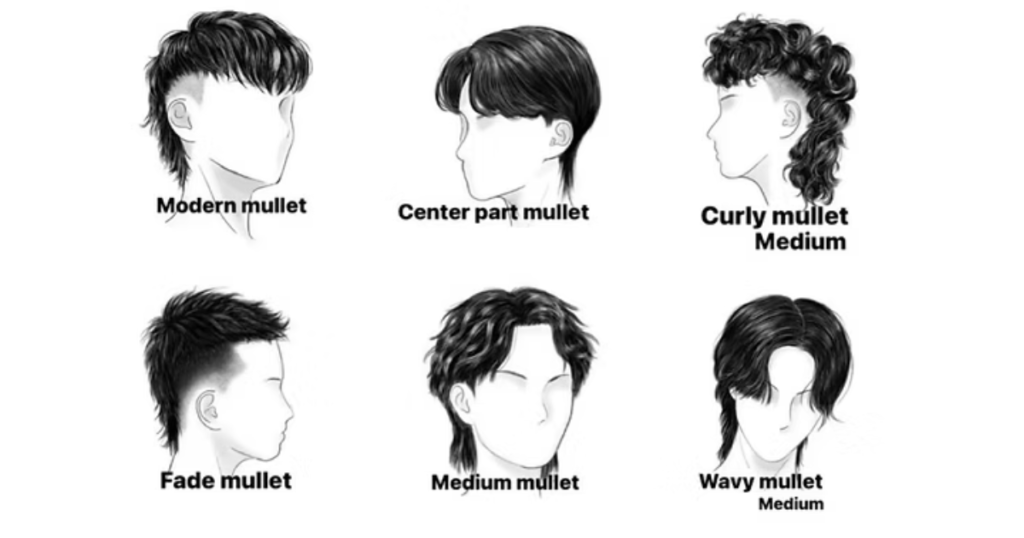
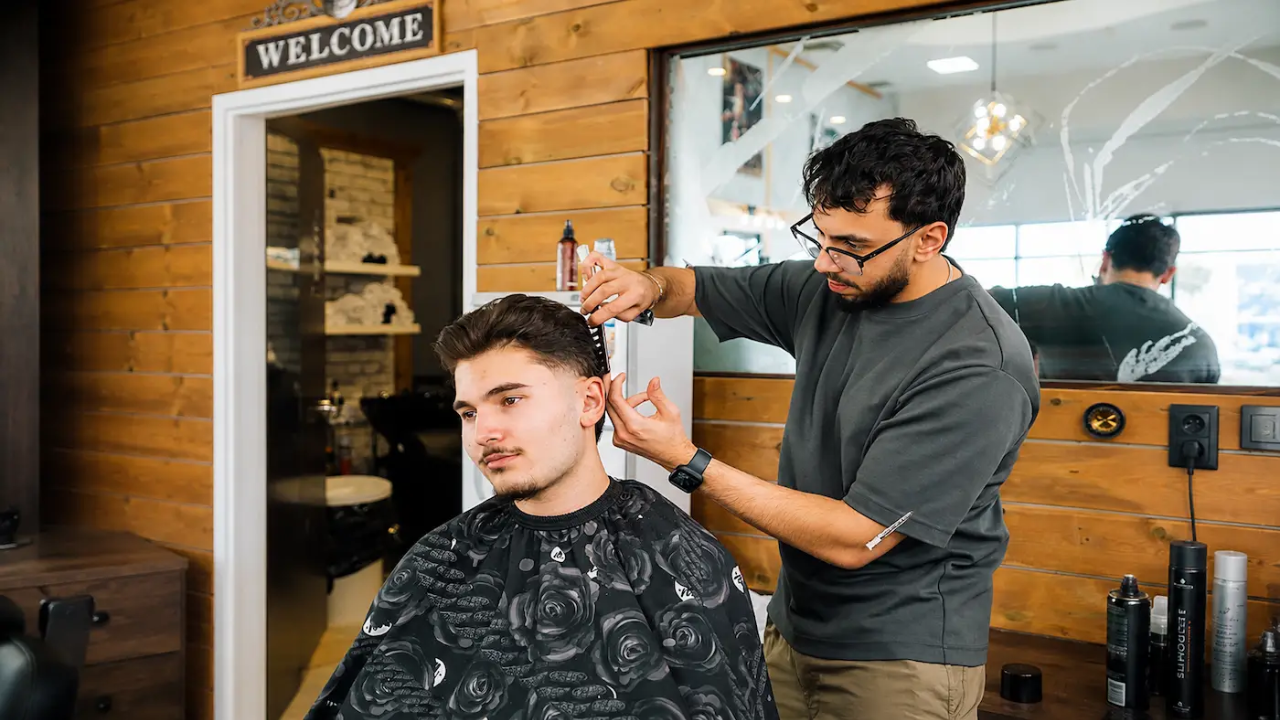
Having a reference photo to the barbershop can be helpful, but it is also helpful to explain the way you wish the cut to act. To see how many inches you would like to leave at the back, how many inches you would like to have taken off at the sides, and your preferred choice of fade, taper or scissor-cut finish, ask your barber.
In the case of a first mullet, requesting a medium length at the back may help ease the process. It is possible to make it longer on the tail later in case you like the figure. If I already have the kind of hair which is thick or curly, then inquire how much weight you have to be taken off the top and the back, not merely requesting more length.
It is also nice to add your day-to-day life. A person desiring a low-maintenance hairstyle can have a shorter back and more gentle taper, whereas one able to use styling products can afford a longer length and heavier texture.
What to Decide Before Your Appointment
- How long you want the back to be
- Whether you prefer a fade, taper, or scissor-cut sides
- How much texture you want on top
- Whether you want a subtle or more dramatic contrast
- How much daily styling you are willing to do
Short Mullet Haircut for Men: Easy Everyday Styling
Not all men desire hair to fall below the neckline, and that is what the short mullet haircut men wear is all about. Here, the back avoids being dramatically extended out as seen in the other versions, keeping it close to the collar, thus making it easy to keep it simple in day-to-day styling.
The shorter length of trims makes them less common than their longer counterparts. It is also common to see many men starting with this particular cut before determining whether to continue growing the back out, as the cut will also leave them in the awkward in-between section this hair usually goes.
The front normally remains sharp and structured, and this complements the shorter back. Consequently, the given version fits users who have never donned a mullet and those who are uncertain about their ability to make such a bold decision.
Haircut for Men Mullet Options Based on Hair Type and Face Shape
Choosing the right haircut for men mullet variation depends on more than personal preference. Hair type and face shape both influence how well a specific version will actually sit and hold shape once styled.
- Curly and coily hair generally pairs best with a burst fade, since natural volume on top contrasts sharply against the tighter fade below.
- Straight hair, on the other hand, often needs extra layering so the top does not sit flat throughout the day.
- Face shape matters just as much. Round faces benefit from added height, since it draws the eye upward and creates a slimming effect.
- Square jawlines usually suit softer, shaggier cuts like the wolf cut, because heavy layering breaks up strong angles.
- Long faces tend to look better with less height overall, so a shorter version works better in most cases.
Matching the Cut to Real Situations
An example of a college student is a student who has wavy hair who can do better with a short mullet combined with a low taper, as the wavy hair will stay textured without massive amounts of product. The person at a corporate office is the one who tends more toward the business mullet, as it is cut professionally and yet is distinctly different from a standard trim.
How to Style a Mullet Haircut?
Getting a good trim in the hairdresser shop only completes half of the equation. It is a question of styling and makes the difference between a haircut that seems deliberate all day and one that falls apart within a few hours. Wet hair is preferable to soaking wet hair, as the product distributes evenly and lasts longer when dry.
Sea salt spray or a bit of texturising powder at the roots will lift it, especially at the top where the flatness will first be seen. Then, flattened points of hair are characterised by a light pomade or clay without bringing the hair down to the ground.
Trims are as important as day-ups. Having long intervals between appointments allows the joins to proliferate, a silent elimination of the contrast that causes this cut to be an identifiable feature in the first place.
Simple Steps for Daily Styling
- Start with damp, not fully wet, hair before applying product
- Add texturizing powder or sea salt spray at the roots for lift
- Finish with a light clay or pomade through the ends
- Book trims every four to six weeks to maintain shape
Mullet Haircut Men Options for Work and Daily Life
This style is now introduced into many more settings than it was originally due very much to the adaptability of its current variations. Bold cuts and creative industries go hand in hand, and as such, this trend was considered by musicians, designers, and content creators early.
Offices have been a slower adopter, primarily due to such vanities as the business mullet. A flattering top length coupled with clean sides keep the cut close to an overall dress code, albeit with more personality compared to a conventional trim. Conservative work places are likely to receive a well trimmed short mullet without much opposition.
The trend has been adopted particularly in sports and fitness circles due to the fact that athletes wear bolder versions when in public. Such visibility automatically has an impact on daily requests, as clients tend to bring reference photos directly from what they saw on the Internet or TV.
A sharp haircut pairs well with sharp styling elsewhere too — see our guide on building a clean white outfit for men to complete the look.
Conclusion
The mullet haircut men style earned its comeback the hard way, through better technique rather than nostalgia alone. Hard lines were replaced with fades, flatness was changed to texture, and a cut previously resembling a joke was starting to look deliberate again.
Regardless of whether the person is inclined to a short mullet hairstyle associated with men due to the overall ease of maintenance or to a more daring modern mullet hairstyle associated with men using heavy texture on the top, the same rule applies. Find the match to your type of hair, always trim, and apply the product rather than neglecting it. Then do it, and this manly hairstyle called the mullet will cease to be a threat and become one of the smarter ones when they get in the chair.
FAQs
Yes, modern tapered versions remain widely requested at barbershops today.
Fades and layered texture replace the sharp, unblended line used in older cuts.
Yes, curly hair pairs especially well with the burst fade variation.
Every four to six weeks keeps the shape balanced and defined.
Yes, the business mullet variation was created specifically for that purpose.
Sea salt spray or texturizing powder followed by a light clay works best.
Yes, shorter back length reduces both styling effort and trim frequency.
Oval faces generally suit nearly every mullet variation without adjustment.
Yes, though it usually needs extra layering to avoid looking flat on top.
Skipping regular trims, which quickly blurs the contrast that defines the style.