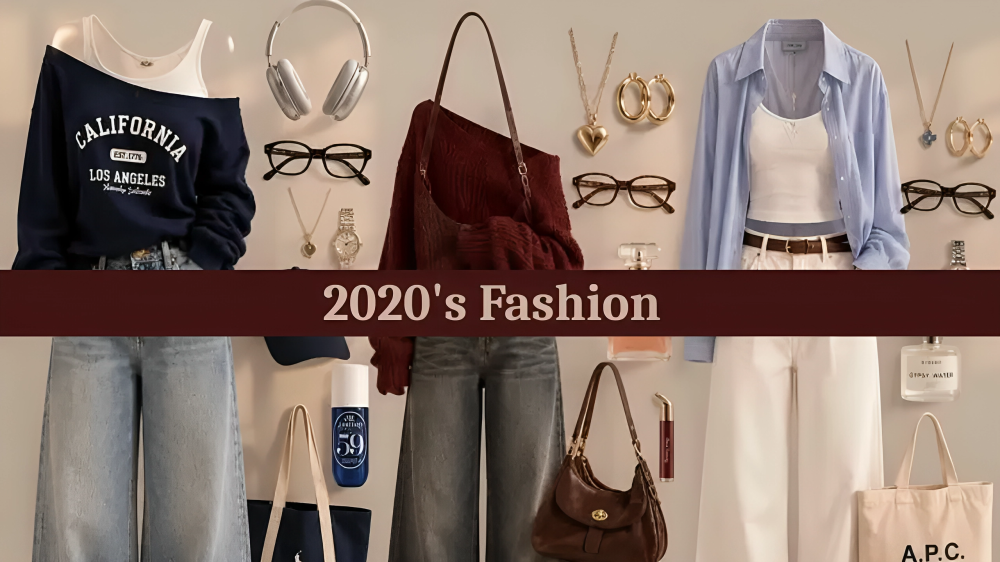
2020s fashion doesn’t follow one script, and that’s what makes it interesting. Walk through any city, and you will be confronted with Y2K jeans standing side by side with oversized blazers, chunky sneakers with soft vintage dresses and even sportswear worn directly into cafes. None of this now appears to be out of place. Instead, it demonstrates how style now becomes more situationally based on individual preference, as opposed to universal followers of one fashion at the same time.
This shift didn’t happen randomly. A worldwide lockdown altered the sense of comfort people felt. Short videos immersed phones in the realm of trendshare. Due to it, mini-communities based on style were created on the web and expanded rapidly, including on average less slowly than a traditional fashion brand. That way, instead of a single trend prevailing in the decade, multiple trends coexist next to each other, influencing 2020s fashion in their respective ways.
Table of Contents
2020s Fashion Timeline: How Trends Changed From 2020 to 2026
| Period | Major Fashion Direction |
| 2020 | Lockdowns pushed loungewear, relaxed fits, and athleisure into everyday wardrobes. |
| 2021 | Y2K-inspired fashion started to be seen more often, particularly by younger social media users. |
| 2022 | Low-rise jeans, cargo pants, mini skirts, platform shoes, and other retro styles were more on display. |
| 2023 | The simple luxury, loose garments, neutral colours, and subdued dressing became a fashion. |
| 2024 | Fashion became increasingly mixed, with vintage, sporty, minimalist, and nostalgic aesthetics appearing together. |
| 2025–26 | Instead of one dominant look, multiple aesthetics continued to coexist across social media, streetwear, and everyday fashion. |
About 2020s Fashion
2020s fashion refers to the clothing styles, clothes, trends, and culture of the attitudes during 2020 and beyond and was mostly driven by comfort, nostalgia, and social media. Unlike the decades, this one is not about a single signature form or one colour scheme. Contrary to previous decades, this period does not revolve around a single signature form and a single color scheme. Rather, they have multiple aesthetics that operate concurrently, and customers tend to alternate between them in the same week.
This was not a change of course. A worldwide pandemic changed comfort from a factor that is not an option but the new norm, whereby people are being confined to their homes for months. Meanwhile, new platforms, such as TikTok and Instagram, provided small, niche style communities with a growth window in a short amount of time. Due to that, a fashion trend today may create, get up-to, and get out of fashion within the same season rather than years of development.
How Comfort Shaped Early 2020s Fashion?
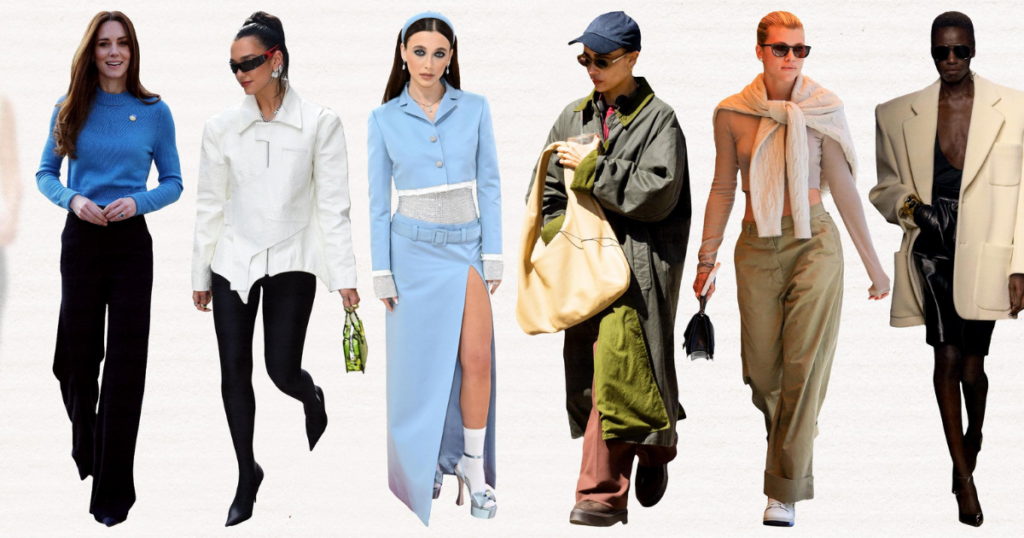
The first item to leave early in this decade was comfort, and it never really relaxed. Through lockdown, individuals have been wearing loosely fitting clothes and soft materials every day just because they have no reason to dress up. The habit lasted long after offices were reopened.
Workplaces took note of this change, as well. Numerous corporations relaxed their dress code rather than returning employees to rigid business attire. The joggers, oversized hoodies, and soft tailoring turned out to become the order of the day even in the workplace. This shift was the reason why comfort first in dressing is still dominating even in the fashion years of 2020.
Everyday Comfort Pieces That Stuck Around
- Relaxed joggers worn with structured jackets
- Oversized hoodies paired with fitted bottoms
- Soft knit sets used for both home and errands
- Sneakers replacing heels for daily wear
2020 Trends That Refused to Follow the Rules
2020 trends did not follow the concept that a single silhouette should be dominant in the whole era. Instead, multiple aesthetics emerged simultaneously, each with its own dedicated audience online.
A few of these trends stuck around far longer than expected:
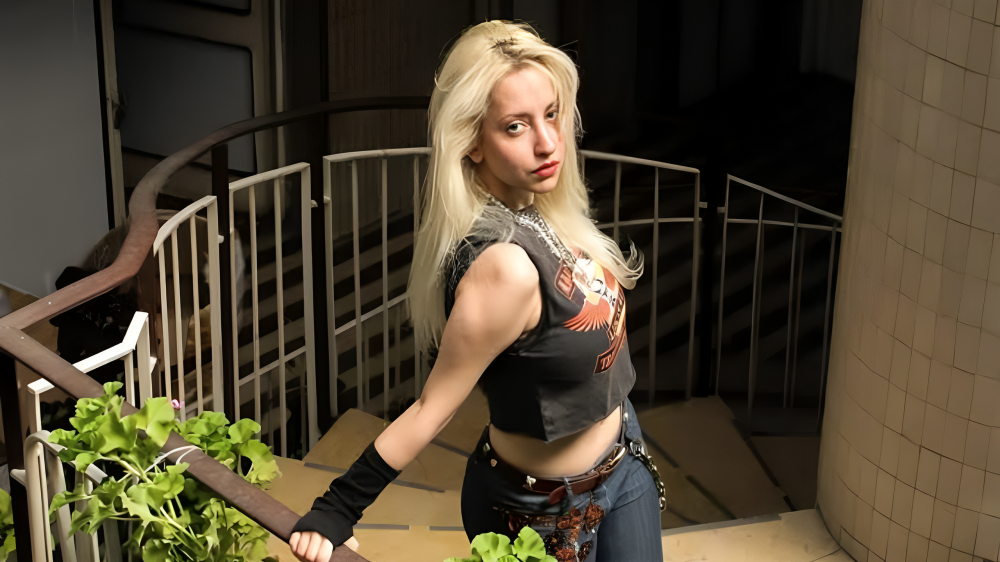
- A resurgence of Y2K, low-rise jeans, and baby tees.
- Cottagecore and dark academia revolve around the atmosphere and not around One Piece.
- There is a growing trend of gender-flex fashion with skirts, loose-fitted trousers, and unisex cuts.
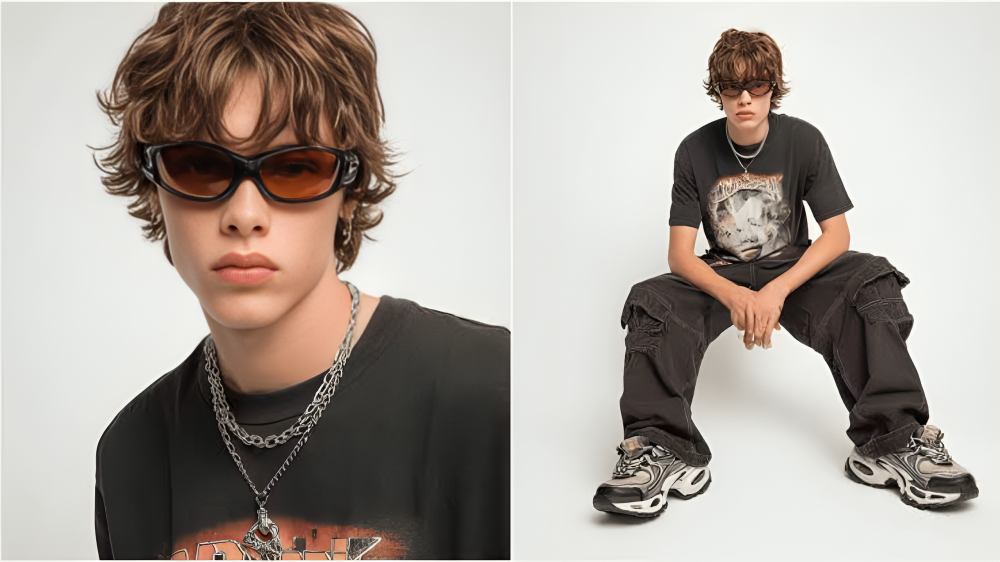
- The smooth and minimalist trainers which were in use in the past decade are being replaced by big, vintage sneakers.
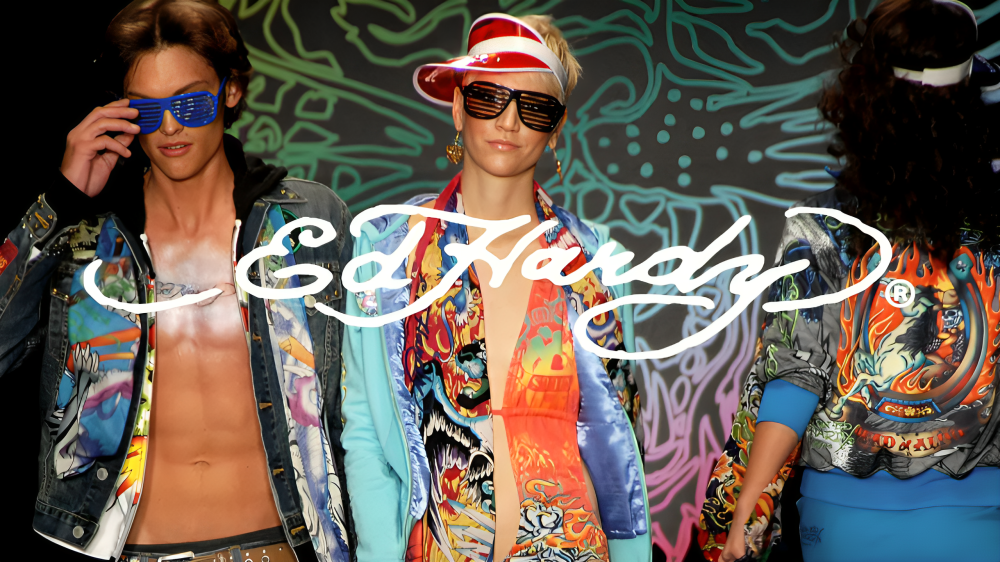
The Y2K resurgence goes deeper than jeans and baby tees — explore our full guides on 2000s outfits for men, Y2K streetwear, and the Ed Hardy revival.
How 2020’s Fashion Changed the Old Rules
| Earlier Fashion Model | 2020s Fashion |
| One dominant silhouette often defined an era | Multiple silhouettes exist at the same time |
| Runways and magazines strongly influenced trends | Social media creators and online communities accelerate trends |
| New clothing dominated mainstream shopping | New, vintage, and secondhand pieces are mixed |
| Formal and casual clothing had clearer boundaries | Sneakers, tailoring, and sportswear frequently overlap |
| Men’s and women’s clothing were more separated | Unisex and gender-fluid styling is more visible |
| Trends developed relatively slowly | Micro-trends can spread within days or weeks |
Everyday 2020 Outfits and Their Signature Silhouettes
The 2020 outfits lean towards the loose and clustered outfits as opposed to the tight and structured outfits that dominated the 2010s. Trendy clothes no longer receive the label of sloppy. It is stylised by people, and sometimes you can have something loose with something tight so as to maintain the balance of an appearance.
How Core Pieces Show Up in Daily Outfits
| Clothing Item | How It’s Styled Today |
| Wide-Leg Denim | High-waisted or low-rise, replacing skinny jeans |
| Oversized Blazers | Paired with crop tops or matching trouser sets |
| Chunky Sneakers | Worn with casual and semi-formal outfits alike |
| Cargo Pants | Styled with fitted tops for a balanced silhouette |
| Slip Dresses | Layered with cardigans or combat boots |
| Platform Boots | Paired with mini skirts or loose trousers |
Lana Del Rey Aesthetic: Vintage Style in the 2020s
This Lana Del Rey aesthetic was made a familiar part of internet fashion in the 2020s. It is tilted toward disillusioned glamour, retro womanhood, and a certain melancholy spirit instead of high-energy, in-your-face dressing.
This look didn’t come from a runway. It expanded out of music and internet culture, as fans associated soft visuals, low-key colours, and vintage styling with a certain emotional tone. Those social platforms would then make it a duplicable formula of style that became highly popular.
For the full breakdown of this look — including makeup, photography style, and the ‘Lana Del Rey effect’ — see our complete Lana Del Rey aesthetic guide.
Key Pieces Behind This Look
- Slip dresses in faded or muted tones
- Oversized cardigans layered over lace pieces
- Vintage-style sunglasses
- Delicate, mismatched gold jewelry
- Soft, slightly undone waves for hair
Why Fashion Trends Move Faster in the 2020s
An outcome of this is the reduction in a trend cycle. Within weeks, a style can go beyond a small online following and can be picked up by large retailers, whereas older styles can resurface even faster when shown again by creators. It has rendered fashion not as linear as it was in past decades: the old as well as the new are currently being passed on and spread simultaneously.
This forms an evident cycle. A trend comes to light online, becomes popular among creators, is reproduced by this or that fast fashion brand, and disappears as soon as another trend replaces it. Owing to the recurring aspect of the same, there are shoppers who consider clothing to be expendable, whereas there are those who are retaliating by opting to wear quality or used clothing instead.
The Rise of Secondhand Fashion in the 2020s
Secondhand shopping was no longer a backup solution, but it became a fundamental component of how people shop. Resale apps transformed shopping habits and made it easier to buy pre-owned clothes than new ones.
Whenever looking at the eras or pieces that are difficult to find, shoppers now look on resale sites before going to auctions. Retailers also observed this change, and most of them started their resale programs as opposed to considering second-hand shopping as competition. This is a mixture of new and secondhand purchasing that now centres on the style lifestyles of everyday 2020.
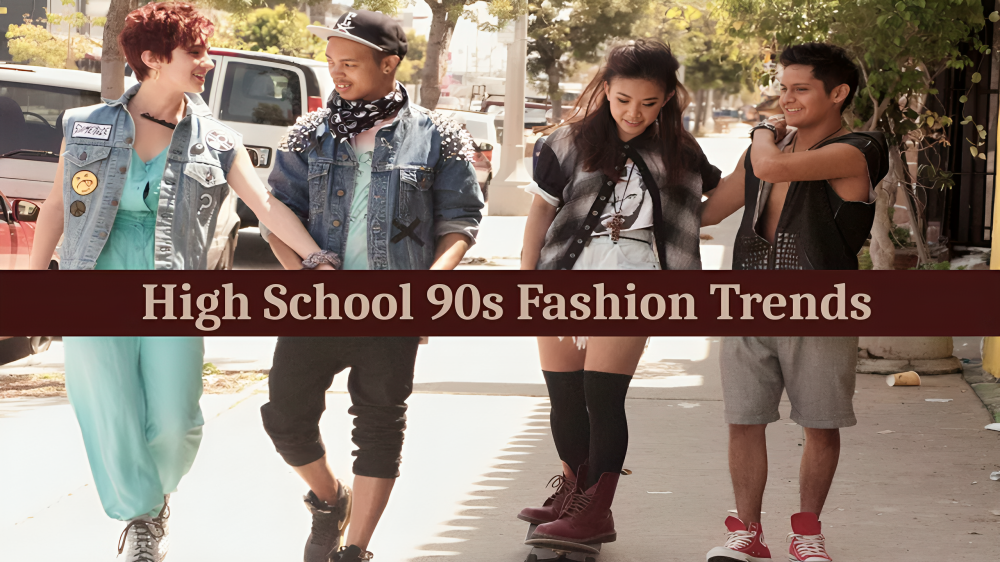
Thrifting isn’t limited to modern pieces — it’s also driving the comeback of eras like the 90s and 80s.
Reasons Resale Shopping Keeps Growing
- Lower prices compared to buying new
- Easier access to vintage and Y2K pieces
- Growing comfort with pre-owned clothing
- Wider selection through dedicated resale apps
How Gender-Fluid Fashion Changed Modern Wardrobes
This decade had significant loosening in the categories of clothing. The unisex trousers with wide legs, worn by males and females, and the shared sizing with the lines of male and female clothes became common and not something unusual.
This did not come on one day. Street culture got intertwined with the gender boundary way before the major retailers managed to follow suit. Once they did, brands expanded unisex lines permanently instead of treating this as a passing statement.
How to Build a 2020’s Fashion Wardrobe?
The best way to create a wardrobe based on this decade is by starting the process with versatile basics. A fitted blazer or high-waisted wide pants can be worn across multiple styles and thus should be brought into everyday rotation, rather than being forgotten.
A different approach is needed with trend-specific pieces. Due to the swift, short-lived lifestyle of most of the 2020 trends, picking up statement-level items second-hand will maintain the expenditure at a reasonable level, but still permit experimenting. Intentional combinations of events/era, such as wearing a 90s slip dress with modern sneakers, are a mirror of the way people dress nowadays.
Final Thoughts
2020s fashion was never in a single, neat definition, and that is precisely the message. It has been an extension of a pandemic that reshaped comfort, a resale market that has grown faster than anyone would have imagined, and social platforms that transformed trend cycles into weekly hashtags. This decade does not follow a single dominant look straight and encourages those who blend histories, do anything they want, and use personal style as an element of creation and not a style to imitate.
FAQs
Faded tones, slip dresses, and vintage-inspired glamour define this look.
Workplaces relaxed dress codes permanently after the shift began.
Yes, social media speeds up how quickly trends spread and fade.
Yes, most shoppers today buy pre-owned clothing regularly.
Wide-leg and low-rise denim replaced skinny jeans widely.
Yes, brands have kept unisex lines active for several seasons.
Social media attention shifts fast, pushing older trends aside.
Mixing eras and choosing versatile basics works best long-term.